
 Free shipping on all orders over $30
 Free returns & exchanges
 100% satisfaction guaranteed
 1-800-430-7898





Proudly Canadian
Canadian owned and operated since 1948. We support locally grown, Canadian ingredients whenever possible.
The Highest Standards
Every batch of our supplements is rigorously tested to exceed quality standards for purity and potency.
Eco-responsible
From our sustainable sourcing practices to our softgel waste management, eco-responsibility is at the core of what we do.
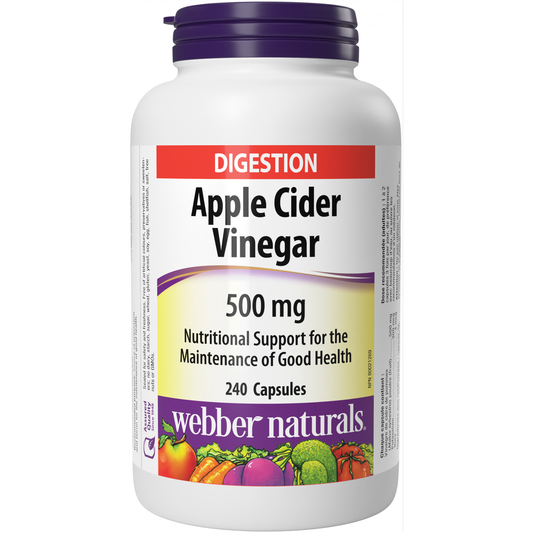
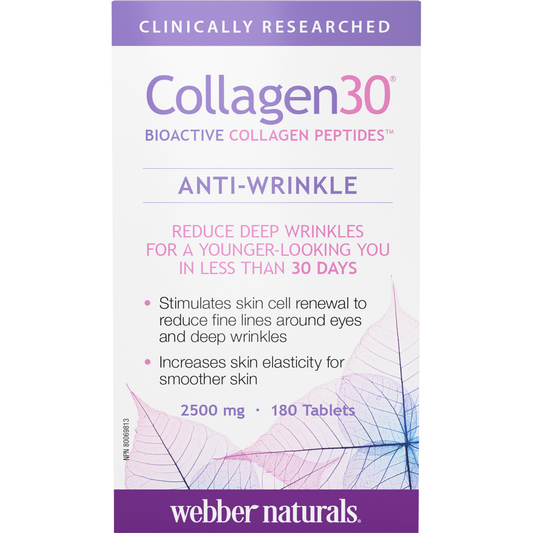
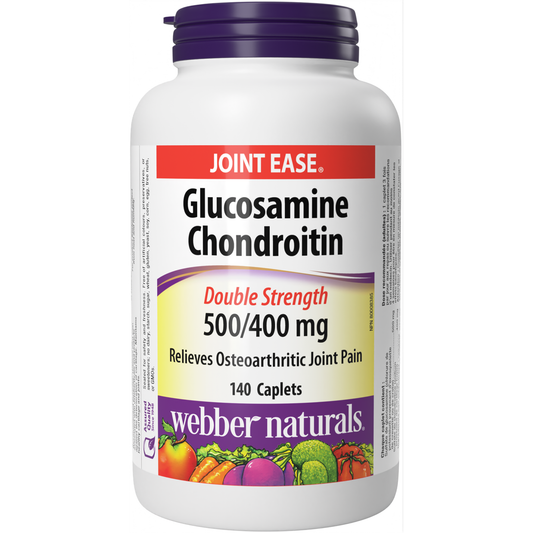
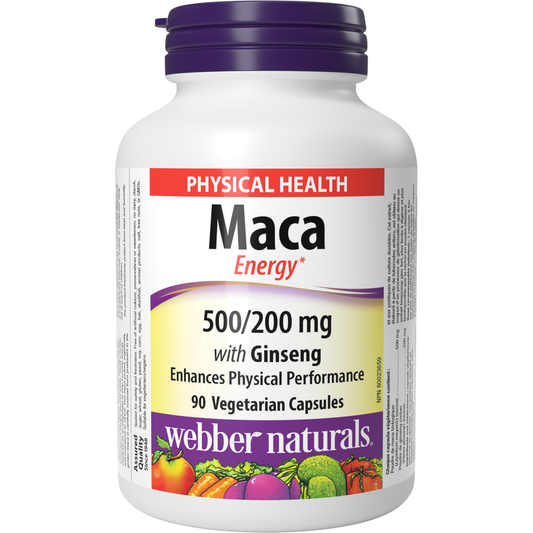
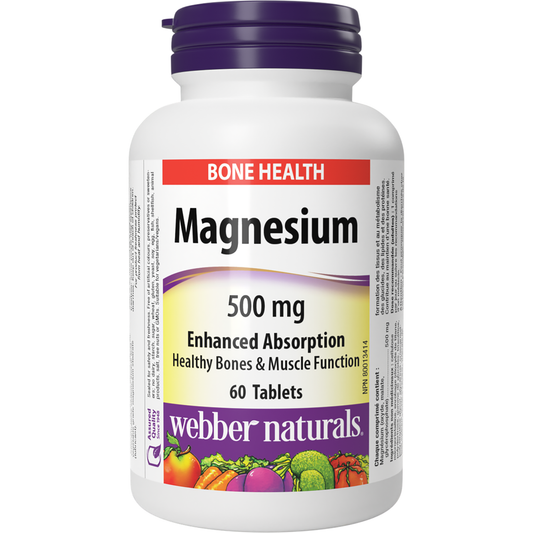
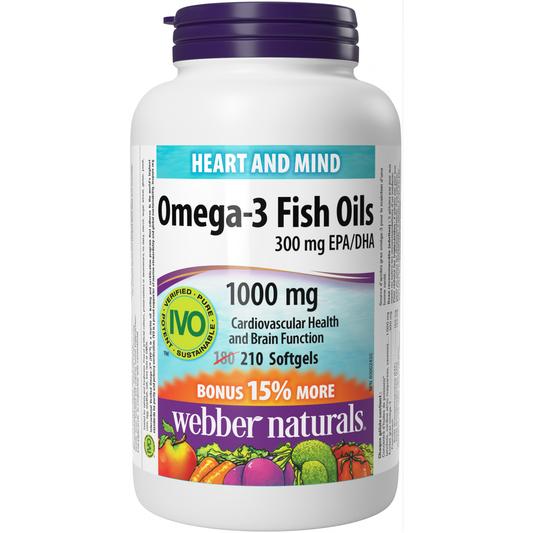


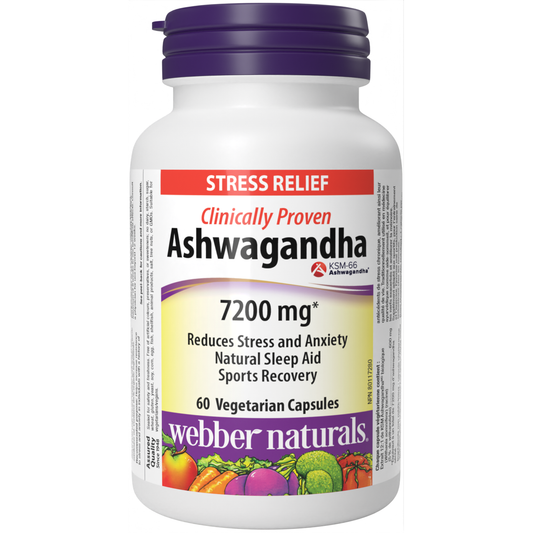
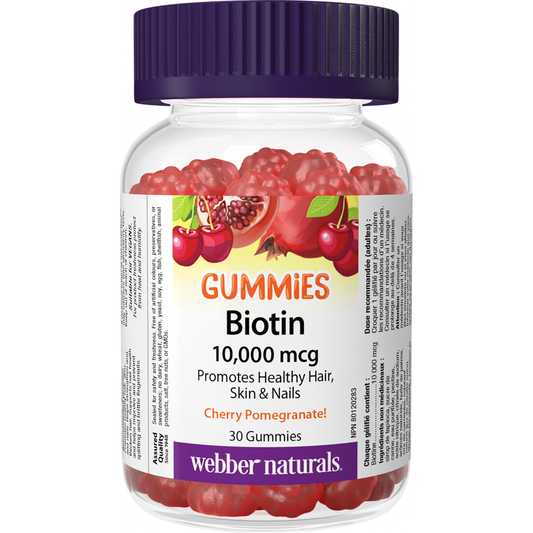
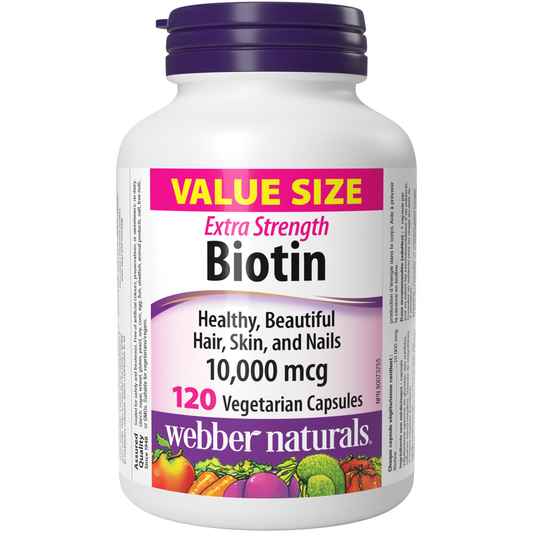
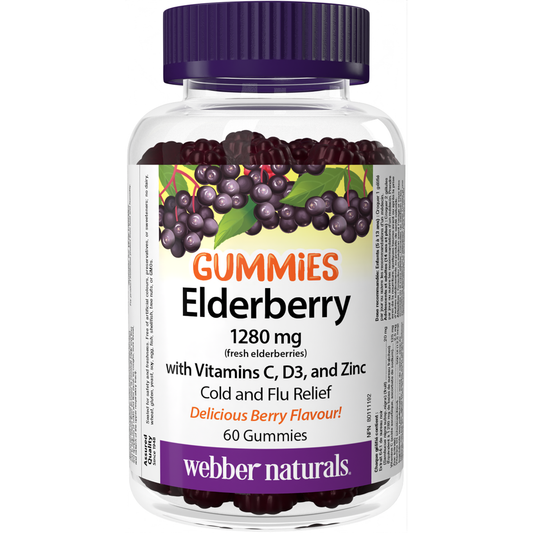
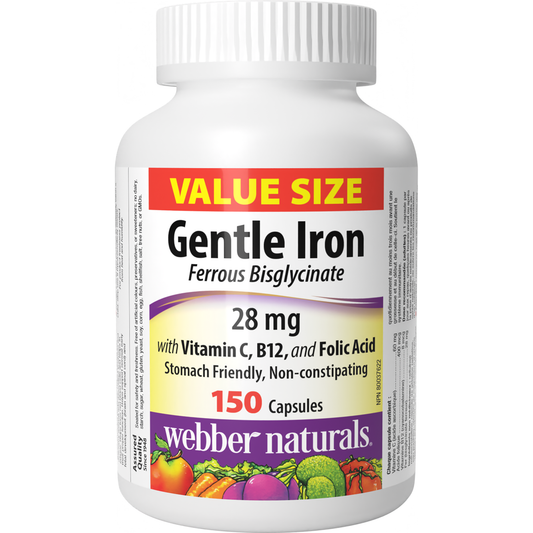
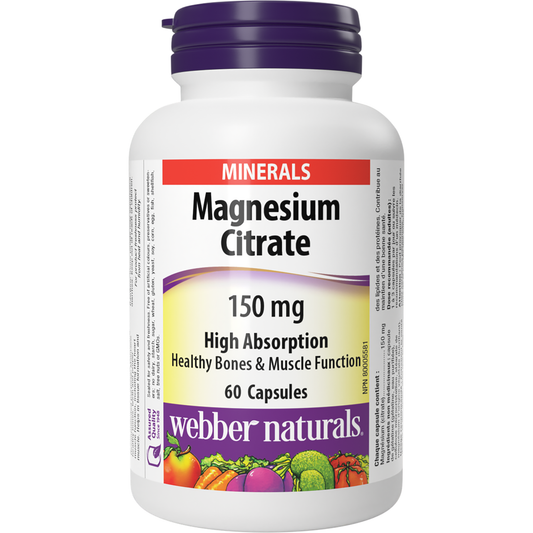
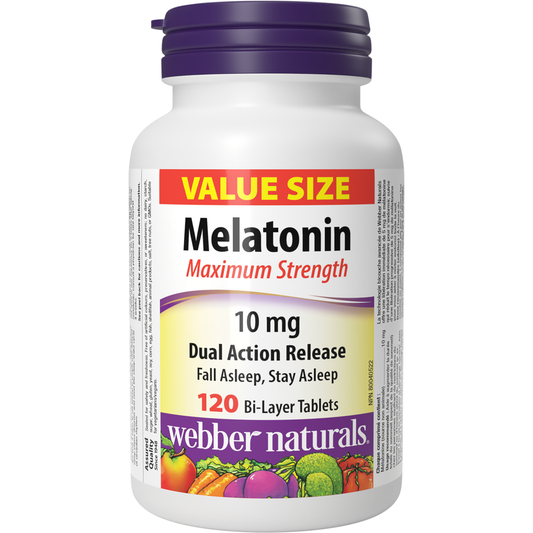
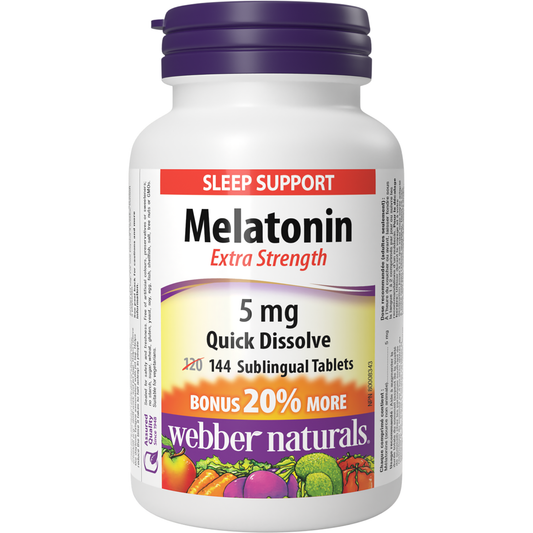
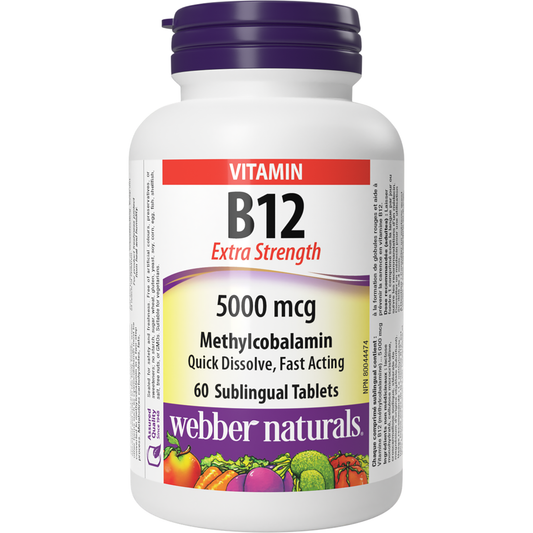


5 Essential Nutrients for Your Body



What Our Customers Are Saying
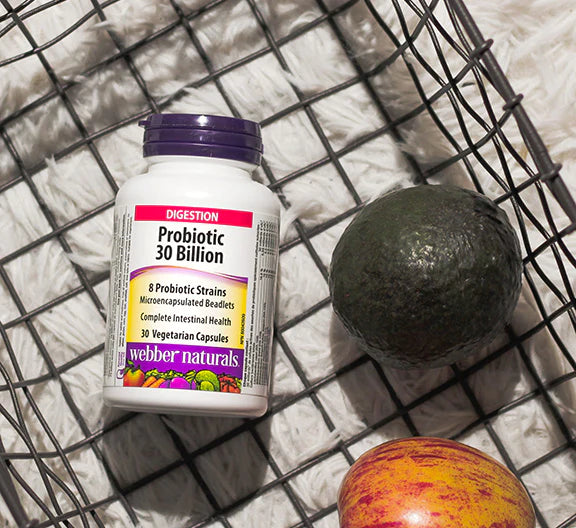
Perfect supplement!
I’ve been looking for the right probiotic that suits me for so long and so happy to finally find one that works and is local Canadian!
It lightened up my day helping me to remove some of the bloating and uncomfortable feeling after eating. I could not be happier.
Rita
Ottawa, ON
Exellent product!
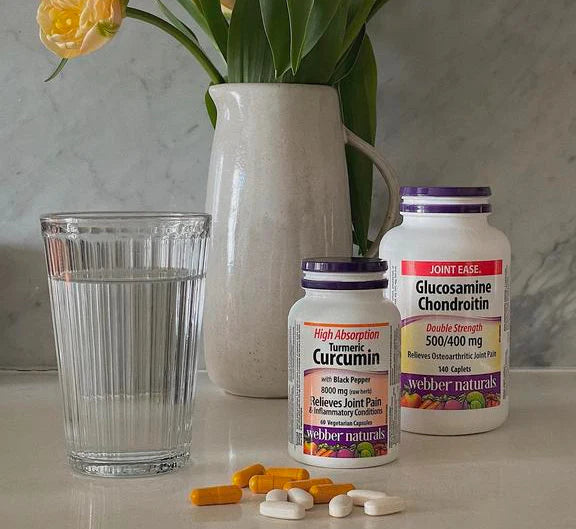
There aren't many products out there that you can say, "Taking this has changed my life," but this would be one of them. I work out on a daily basis. My body is often sore and I felt stiffness in the joints.
I’ve noticed differences after starting to take Tumeric Curcumin daily. It’s really helped my body recover quickly, reduces joint stiffness and pain, and prepares me for the next day. It makes me more energetic.
Tumeric Curcumin also has antioxidant support and anti-inflammatory benefits.
Anastasiia
Vancouver, BC
Great results!
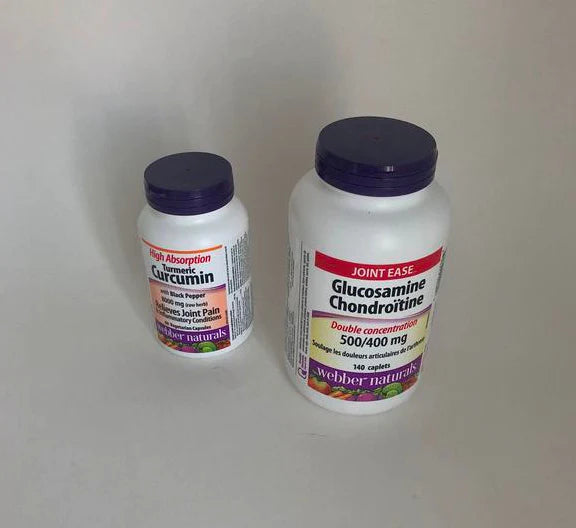
I am amazed how well it actually works and feels. I could notice my joints get stronger and that I have less pain after my workouts in my knees. I also love that the brand is Canadian and natural!
Rita
Ottawa, ON
Vitamin C Made Fun!!!
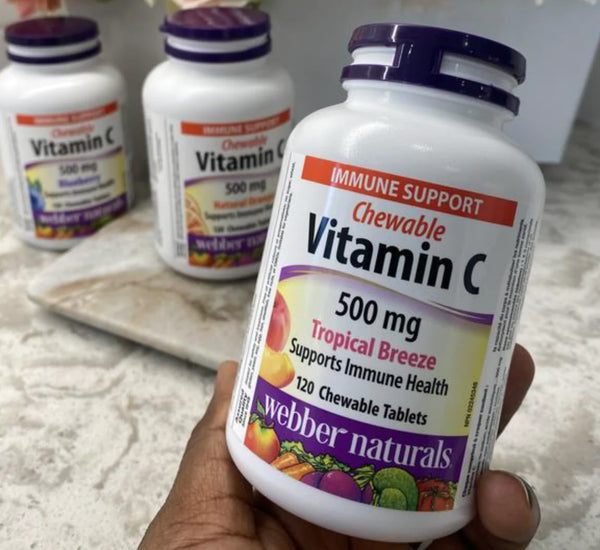
I really am loving these vitamin C tablets this is my favorite flavour it doesn’t taste artificial it’s both sweet and sour which makes it hard to stick to the recommended dose lol!
I also like to pair them with my iron pills, been feeling great and my family has joined in taking these daily to boost they’re immune system!!! I would 100% recommend!!!
The Mindful Passport
Hamilton, ON
My go to vitamins!
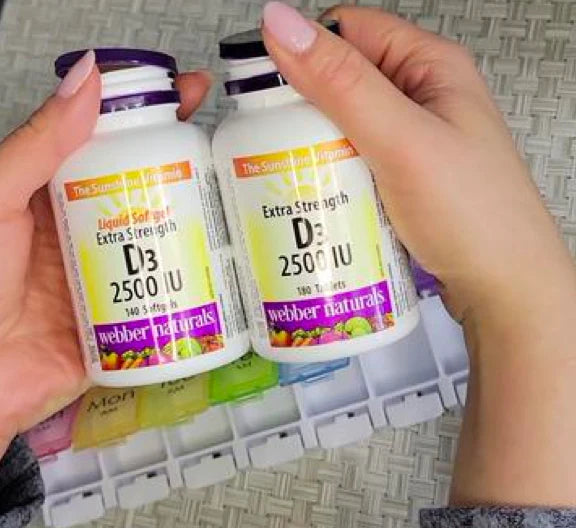
These are my go to D3 vitamins. I take D3 every day, which helps me a lot especially being in Canada and during our harsh winters when I don't get out much. I feel energized and more alert since starting to take these 4 years ago.
I enjoy Webber the most because of their natural source of ingredients which makes me feel safe and reassured.
Carmen
Toronto, ON
Here For You And Your Health
Safe, affordable, and effective natural health products, made from the highest quality ingredients without compromise - this is our promise to you.